Wildflower Botanical Floral Element Review
I have spent years reviewing machine embroidery design files, and I have learned that the most beautiful digital graphic often fails when it hits the hoop. The difference between a professional finished product and a project that sits in the corner of your studio usually comes down to stitch density, fabric compatibility, and how well the design translates from screen to thread. Today, I am putting the Wildflower Botanical Floral Element through its paces to see if it deserves a spot in my commercial workflow or just a drawer for personal hobby projects.
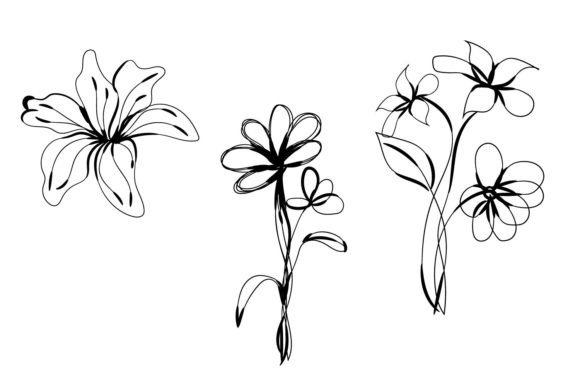
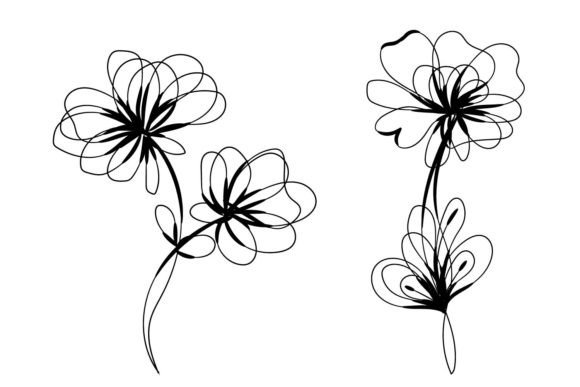
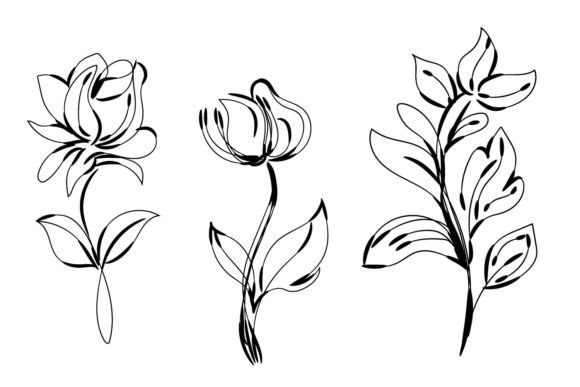
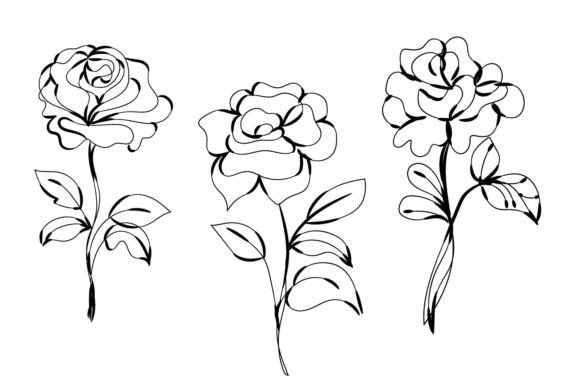
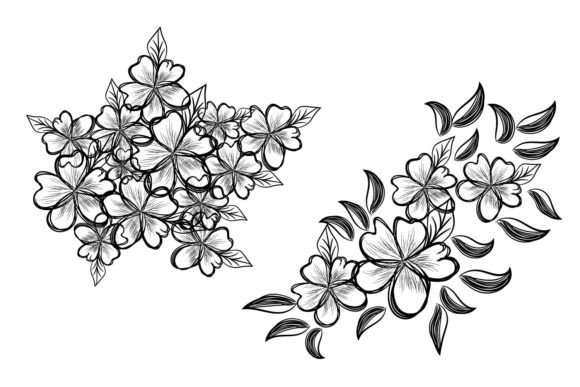
My first impression of this design is one of organic elegance. Unlike many botanical elements that feel stiff or overly geometric, this piece captures the wild, untamed nature of a meadow. It feels perfect for a brand that wants to convey warmth, growth, and natural beauty. When I look at the layout, the flow suggests it belongs on soft, tactile surfaces where the texture of the thread can complement the fabric weave. It immediately makes me think of a custom embroidered tote bag or a high-end baby onesie rather than a rigid corporate logo on a polyester cap.
From Digital File to Finished Product
The product description lists a comprehensive set of formats, including AI, EPS, PNG, SVG, and PDF. As a designer who frequently creates printable mockups for Etsy listings, having these vector options is a massive advantage. It means I can scale the Wildflower Botanical Floral Element to fit a large sweatshirt back without losing clarity, or shrink it down for a tiny patch without pixelation. However, owning the file is only half the battle; the real test happens when the machine starts stitching.
In a real-world scenario, imagine you are preparing a batch of personalized gifts for a boutique wedding. You want to embroider a small floral motif on linen napkins or pillow covers. This design would likely excel there. The botanical theme fits the "rustic chic" aesthetic that is currently dominating handmade markets. If you are an Etsy seller looking to expand your catalog with seasonal items, this design could easily be adapted for holiday embroidery projects, perhaps paired with a subtle script font for names on Christmas stockings or kitchen towels.
However, I need to be honest about the potential pitfalls. The design's intricate details mean that stitch density will play a crucial role. If the fill stitches are too dense, the fabric might pucker, especially on thin materials like tea towels or lightweight cotton. Conversely, if the density is too low, the design might look sparse and lack the visual weight required for a premium handmade product. Before committing to a full production run, I always recommend testing the design on scrap fabric that matches your final material exactly.
Where This Design Shines
This element is particularly versatile for specific categories of craft business items. It works exceptionally well as a decorative accent on larger garments. For instance, placing the Wildflower Botanical Floral Element on the chest pocket of a denim jacket or the shoulder of a baby sweater adds a touch of sophistication without overwhelming the wearer. It also has strong potential for home decor applications, such as embroidered patches for aprons or centerpieces for throw pillows.
If you are a creative entrepreneur focusing on digital product sales, the inclusion of high-quality PNG and SVG files allows you to create stunning previews. You can use these assets to show customers exactly how the embroidery will look on different backgrounds before they purchase the physical design. This transparency builds trust and helps buyers visualize their own projects, which is essential for converting casual browsers into paying customers.
Navigating Technical Challenges
Not every surface is created equal, and some fabrics simply do not play nice with complex floral designs. I advise caution when using this design on stretchy fabrics like jersey knits unless you are using a heavy-duty stabilizer to prevent distortion. Similarly, dark fabrics require careful consideration of thread colors. If the design relies on light pastel threads, they may get lost against a navy or black background, reducing the overall impact of the finished product.
Curved surfaces, such as caps or hats, present another challenge. While the design is flexible in terms of file formats, the curvature of a hat brim can distort fine lines and running stitches. If you plan to use this for embroidered patches on headwear, you may need to adjust the digitization slightly to account for the curve, or stick to flat areas like the front panel of a structured cap. Small hoop sizes are also a constraint; if the design contains very fine details, shrinking it to fit a 4x4 hoop might result in those details becoming indistinguishable blobs of thread.
Practical Notes for the Professional Designer
- Stabilizer Selection: Always match your stabilizer to the fabric weight. For delicate linens, a cut-away stabilizer provides the best support for long-lasting wear.
- Thread Contrast: Test your thread colors in both daylight and artificial light. Some shades of green or blue can shift significantly depending on the lighting conditions of your workspace.
- Density Checks: Inspect the fill stitch density closely. If the design looks too crowded, consider simplifying the inner details to ensure the thread doesn't break during high-speed stitching.
- Licensing Verification: Before selling any finished items made with this design, double-check the licensing terms provided by the creator. Ensure you have the right to sell the physical products, not just use the file for personal decoration.
- Mockup Testing: Create black and white mockups to evaluate the contrast and balance of the design without the distraction of color.
The Wildflower Botanical Floral Element is more than just a pretty picture; it is a functional tool for building a brand. When executed correctly, it elevates a simple t-shirt into a statement piece and turns a basic tote bag into a memorable gift. The key lies in understanding the limitations of your equipment and the properties of your chosen materials.
For those of us in the Crafts and Graphics sectors, the ability to adapt a design to various contexts is what separates a hobbyist from a professional. This file offers that flexibility, provided you approach it with the necessary technical care. Whether you are creating a custom apparel line for a local boutique or producing digital assets for a global online market, this design has the potential to be a staple in your collection.
Ultimately, the success of your embroidery project depends on the harmony between the design intent and the execution. By taking the time to test, adjust, and respect the medium, you can turn the Wildflower Botanical Floral Element into a centerpiece of your small shop product offerings. It is a reminder that even in the age of digital perfection, the magic of handmade goods still comes from the human hand guiding the needle.