Vintage Glass Bakeware SVG for Real Embroidery
There is a specific kind of nostalgia that hits when you see a vintage glass bakeware design. It speaks to home, comfort, and the tactile joy of baking. As a designer who reviews embroidery files daily for both personal hobby projects and commercial small business lines, I approached Vintage Glass Bakeware SVG with a critical eye. The description promises bowls, casserole dishes, and loaf pans adorned with floral and diamond motifs from the 50s, 60s, and 70s. But does it translate well from a digital vector to actual thread? After running through several mental scenarios and testing the visual logic, here is my practical assessment.
The First Impression: Mood and Visual Personality
When I first opened the file preview, the mood was immediately established. This isn't just a generic kitchen icon; it carries a distinct retro charm. The combination of geometric diamonds and soft floral elements creates a balanced aesthetic that feels authentic to the mid-century era. For an embroidery project, this level of detail is crucial. If the design were too simple, it would look flat on fabric. If it were too complex, it might get lost in the stitching process.
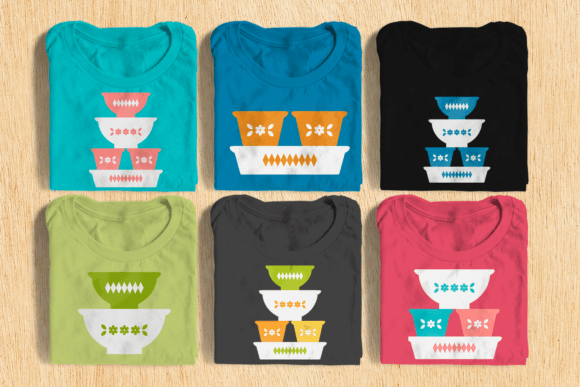
The layout of the Vintage Glass Bakeware SVG suggests a cohesive scene rather than isolated items. Seeing the bowls, casseroles, and loaf pans grouped together implies a potential for a large, statement piece or a modular set. The visual personality is warm and inviting, which is exactly what you want for products targeting crafters, bakers, or anyone who loves a cozy kitchen vibe. It has the right amount of "handmade" feel without looking messy, making it a strong candidate for custom apparel or boutique branding.
Real-World Application: From Screen to Stitch
Let's talk about where this design actually shines. Imagine you are preparing a custom embroidered tote bag for a local farmer's market or a craft fair. You need something that stands out but remains elegant. The Vintage Glass Bakeware SVG fits perfectly here. The floral accents add a touch of softness that contrasts beautifully with the structured shapes of the glassware. On a canvas tote, the design would likely catch the light well, especially if you choose high-quality threads that mimic the transparency of glass.
I also see this working exceptionally well for holiday gifts. Think about a personalized gift for a mother-in-law or a bridal shower present. An apron featuring this motif, stitched with cream and pastel threads, would be a hit. The design is versatile enough for sweatshirt embroidery as well. A heavy cotton hoodie with a subtle, centered placement of the bakeware scene could become a signature item for a small shop selling handmade goods. The key is that the design tells a story about domestic life, which resonates deeply with buyers on platforms like Etsy.
For those selling digital product previews, this image is gold. When creating mockups for a printable shop or a digital download store, showing how this design looks on a tea towel or a nursery pillow cover can drive sales. It bridges the gap between a functional object and a decorative art piece. Whether you are an Etsy seller looking to expand your catalog or a creative entrepreneur building a brand around vintage aesthetics, this machine embroidery design offers a solid foundation.
Navigating Technical Challenges
However, not every design is perfect for every surface. As a reviewer, I must point out where you should exercise caution. The Vintage Glass Bakeware SVG includes detailed motifs like flowers and diamonds. While beautiful, these details can struggle on small hoop sizes. If you attempt to stitch this on a child's hat or a tiny patch, the intricate parts may blur together, losing the definition that makes the design special.
Fabric choice is another critical factor. On stretchy fabric like jersey knit t-shirts, the density of the fill stitches required for the glassware outlines might cause puckering. You will need to use a proper stabilizer to counteract the tension. Similarly, on textured fabrics like waffle-weave towels or thick chenille, the fine lines of the diamond patterns might get swallowed by the texture. In these cases, the design might need to be scaled up or simplified.
Dense stitch areas are common in designs that try to replicate the look of glass. If the digitization relies heavily on fill stitch to create the illusion of depth, you risk creating a stiff area that doesn't drape well. This is particularly important for commercial embroidery where customer comfort matters. If the finished product feels like a hard plastic plate against the skin, it won't sell well. Always check the stitch density before committing to a full production run.
Impact on Product Value and Brand Trust
How does a good design affect your bottom line? High-quality design assets elevate the perceived value of your handmade product. When a customer sees a clean, well-executed Vintage Glass Bakeware SVG on a finished item, they trust the quality of the workmanship. It signals that you care about the details. Conversely, a poorly executed version can make even a well-made item look cheap.
This design supports brand consistency for shops focused on vintage, rustic, or farmhouse styles. Using a cohesive theme across different products—like matching a tote bag, a kitchen towel, and a wall hanging—creates a professional look that encourages repeat customers. The nostalgic theme also aids in giftability; people naturally associate these images with warmth and care, making them ideal for personalized gifts.
For apparel decorators and digital product sellers, the versatility of the file means you can offer a wide range of craft business items without needing multiple separate designs. One file can generate a dozen different SKUs, from baby onesies to adult aprons. This efficiency is vital for small shop products where time and resources are limited.
Practical Designer Notes Before You Stitch
Before you jump into production, there are a few steps every professional takes. First, always test the design on scrap fabric first. This allows you to see how the colors interact and whether the stitch density holds up without wasting your best materials. Check the thread color contrast carefully; the transparency of glass often requires a mix of light and dark threads to pop, so ensure your palette matches the original intent.
Review the stitch density within your digitizing software. If the file seems too dense, consider reducing the fill percentage slightly to prevent bulk. Confirm your hoop size matches the final dimensions of the design; don't try to force a large scene into a small frame. Inspect the small details closely, especially the corners of the diamond motifs and the petals of the flowers, to ensure they won't snag or break during washing.
It is also wise to test the design in black and white mockups. Sometimes, color hides structural issues that become obvious when viewed in grayscale. Compare how the design looks on both light and dark fabric backgrounds to ensure the thread coverage is sufficient. Use the proper stabilizer for the specific fabric type you are using; a tear-away might not be enough for a stretchy sweatshirt, while a cut-away could be overkill for a lightweight tea towel.
Finally, confirm licensing terms. Even though this is a Graphics product in the Crafts category, you must verify if you are allowed to sell finished items made with the Vintage Glass Bakeware SVG. Some licenses restrict commercial use, while others allow it freely. Clarifying this before you start sewing protects your embroidery project from legal issues down the line.
In conclusion, Vintage Glass Bakeware SVG is a thoughtful addition to any designer's library. It captures a specific era with style and offers practical applications for a wide range of products. With careful attention to fabric selection, stabilizer usage, and stitch settings, it can result in a stunning finished product that delights customers and strengthens your brand identity.