Floral Ornaments Window Thin Square Box Review
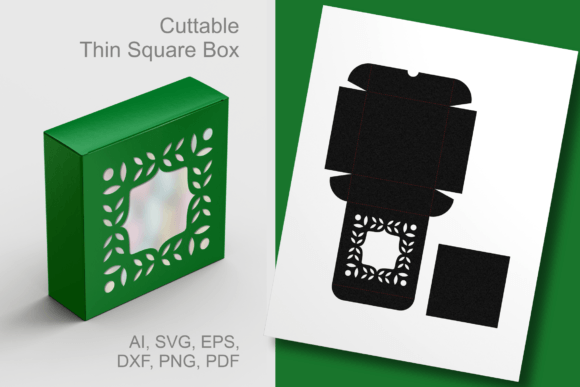
When I first opened the folder for Floral Ornaments Window Thin Square Box, my initial reaction wasn't about the file size or the stitch count. It was about the mood. As a designer who spends hours staring at screens and then even more time watching machines stitch, I look for that specific spark where a digital asset transforms into a tangible, tactile object. This design immediately felt like it belonged in a boutique setting rather than a mass-market factory line. The "thin square" aspect combined with the "window" concept suggests an architectural elegance that translates surprisingly well to embroidery, provided you understand the limitations of thread versus paper.
The core of this piece lies in its Floral Ornaments. In the world of machine embroidery design, floral motifs are ubiquitous, but they often suffer from being too generic. Here, the layout feels intentional. The see-through holes mentioned in the description imply negative space that is crucial for high-end looks. When stitching, negative space is just as important as the stitches themselves. It allows the fabric texture to breathe, preventing the dreaded "cardboard" effect where dense fill stitches make the garment stiff and uncomfortable. For a small business owner or an Etsy seller, this distinction is vital because customer feedback often hinges on the drape and feel of the finished product.
Real-World Application: From Screen to Stitch
I recently had a scenario come up where a client needed a custom embroidered patch for a limited-run collection of linen aprons. They wanted something sophisticated enough for a high-end kitchenware brand but delicate enough not to overwhelm the fabric. I pulled up Floral Ornaments Window Thin Square Box as a potential candidate. My thought process was immediate: could this translate to a curved surface like an apron pocket or a flat panel on a tote bag?
The square format is versatile, but the "window" detail requires careful consideration. If this were a solid block of flowers, I might have worried about bulk. However, the decorative see-through holes suggest a lighter touch. On a linen apron, which has a natural weave, the contrast between the satin stitch outlining the ornaments and the open spaces would create a beautiful interplay of light and shadow. Imagine a wedding gift set where these boxes are used as packaging inserts, but now we are talking about embroidering the motif directly onto the gift bags or the napkins inside. The visual appeal shifts from a static graphic to a luxurious texture.
For apparel decorators, this design fits perfectly into the current trend of "quiet luxury." A sweatshirt embroidery featuring this pattern wouldn't scream for attention; instead, it would whisper quality. The thin square shape allows it to sit neatly on a chest area without looking like a billboard. It works exceptionally well for baby embroidery projects too. Soft cotton onesies or nursery decor benefit from the rounded, organic feel of the floral elements, provided the stitch density isn't too aggressive. Babies need softness, and a design that respects the fabric's hand-feel is always a winner.
Navigating Technical Challenges
However, as an experienced reviewer, I must be realistic about where this design needs caution. Not every project is a canvas. The Floral Ornaments Window Thin Square Box relies heavily on the integrity of the surrounding fabric. If you attempt to stitch this on a stretchy knit fabric without proper stabilizer, the window effect might distort, causing the floral ornaments to warp or pucker. This is a common pitfall for hobbyists and crafters who rush the stabilization step.
Texture is another factor. While linen or smooth cotton is ideal, highly textured fabrics like bouclé or heavy fleece can hide the intricate details of the floral ornaments. The "see-through" nature of the window design depends on clean lines. If the fabric is too fuzzy, those delicate gaps will disappear, turning the design into a muddy blob. Similarly, dark fabrics require a strategic approach to thread colors. You cannot simply use white thread on black fabric without ensuring the underlay is robust enough to prevent the dark background from bleeding through the lighter floral accents.
There are also specific areas where this design should be approached with extreme care. Small hoop sizes are a red flag for any design with fine details. If your machine's maximum hoop is 4x4 inches, you might find yourself cutting off critical parts of the floral ornaments or forcing the design into a corner where it loses its balance. Curved surfaces like caps present their own set of headaches. While a square box can be adapted to a cap front, the transition from the flat design to the curved hat brim can cause the window sections to look uneven if the digitization doesn't account for the curvature.
Strategic Placement for Maximum Impact
To truly leverage the value of Floral Ornaments Window Thin Square Box, you need to think about the product lifecycle. How will the customer interact with this item? For commercial embroidery projects, durability is key. Products that need frequent washing, like kitchen towels or work aprons, require designs that can withstand abrasion. If the floral ornaments rely on tiny, isolated stitches, they might snag over time. I recommend reviewing the stitch density before committing to a large batch production run.
For handmade products and personalized gifts, the presentation matters. This design shines when used on items that serve as keepsakes. Think of a pillow cover for a nursery or a holiday gift set. The square shape frames the eye nicely, creating a focal point that feels curated. When listing these items on Etsy or in a small shop, the ability to show how the design interacts with the fabric in mockups is crucial. A printable mockup that highlights the texture difference between the satin stitch and the empty window space can significantly boost buyer engagement.
It is also worth noting the versatility for digital product sellers. If you are selling design assets, this file serves as a great example of how to blend traditional ornamentation with modern negative space concepts. However, before you sell or distribute, you must confirm licensing terms. Does the license allow for commercial use on finished goods? Are there restrictions on the number of units you can produce? These questions separate professional operations from amateur hobbyists.
Practical Designer Notes for Success
Before you load this file into your embroidery machine, there are several non-negotiable steps to ensure a successful outcome. First and foremost, test the design on scrap fabric. Do not start on your final product, especially if you are using expensive materials like silk or heavy wool. Check the thread color contrast by running a quick black and white mockup. Sometimes, colors that look vibrant on screen lose their definition once converted to thread, particularly in the darker shades of the floral ornaments.
Inspect the small details closely. The "window" aspect means that the stability of the surrounding stitches is critical. If the design includes any tiny lettering or minute decorative accents, verify that they are legible after stitching. Use a proper stabilizer that matches the fabric weight. For lightweight fabrics, a cut-away stabilizer provides the necessary support to maintain the square shape without stretching. For heavier fabrics, a tear-away might suffice, but always err on the side of more support.
Finally, consider the end-user experience. Will the finished product be comfortable against the skin? Is the back of the embroidery messy? A professional finish includes cleaning up threads and ensuring the stabilizer is removed cleanly. By paying attention to these details, Floral Ornaments Window Thin Square Box transforms from a simple graphics file into a premium component of a handmade product. Whether you are decorating a tote bag design, creating a custom apparel line, or crafting a personalized gift, this design offers a sophisticated foundation that, when executed with care, elevates the entire project.
In conclusion, while no single design is perfect for every situation, Floral Ornaments Window Thin Square Box stands out as a strong contender for designers seeking elegance and structure. Its success ultimately depends on your technical skill, material choices, and understanding of how thread behaves in the real world. Treat it with respect, test thoroughly, and you will likely find it becomes a staple in your catalog of design assets.