Floral Design on Garden: A Designer's Real-World Review
As someone who has spent years stitching, designing, and reviewing embroidery files for everything from boutique branding to custom baby gifts, I know that the difference between a project that looks professional and one that looks amateur often comes down to the design itself. Today, I am putting Floral Design on Garden through its paces to see if it truly delivers the visual impact needed for real-world applications. This isn't just about how the file looks on a screen; it is about how it translates into thread, fabric, and finished product value.
The First Impression: Mood and Visual Personality
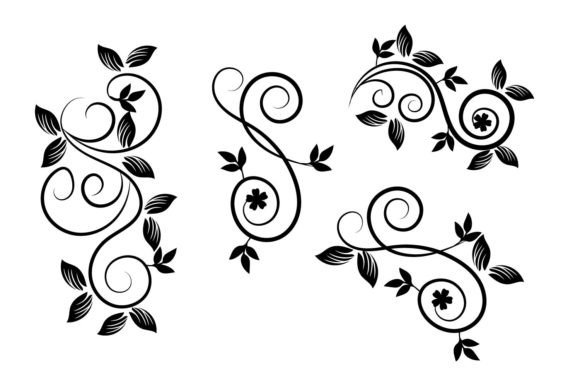
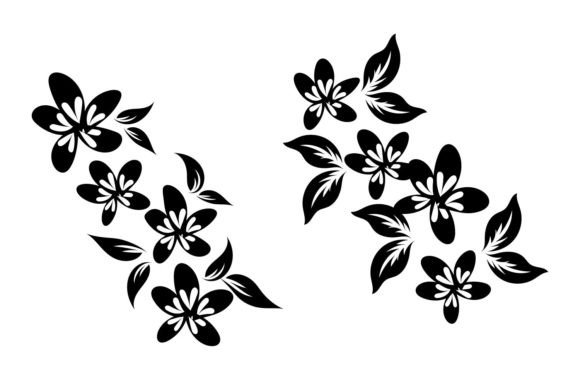
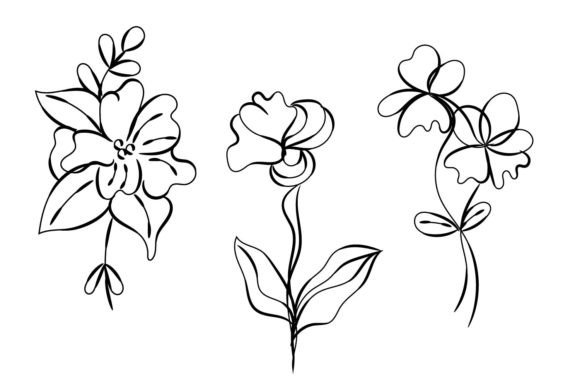
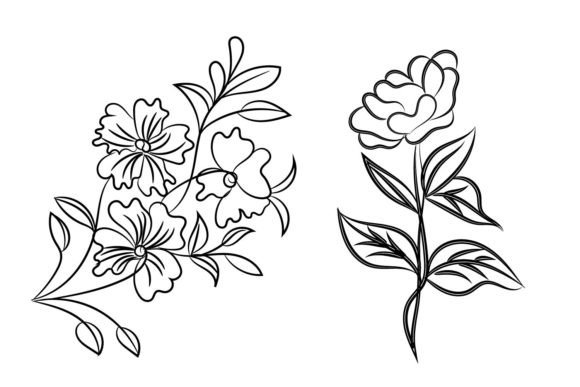
When you first open the archive containing Floral Design on Garden, the immediate feeling is one of organic elegance. The layout suggests a natural, unstructured garden vibe rather than a rigid, geometric pattern. For an embroidery designer, this is crucial because it dictates where the design will sit best on a garment or accessory. The floral elements appear to have a balanced mix of delicate lines and slightly bolder shapes, which hints at a versatile stitch composition.
The mood created by this design is fresh and inviting. It feels perfectly suited for spring collections, nursery decor, or light-hearted summer apparel. Unlike some overly dense designs that feel heavy and stiff once stitched, this one seems to promise a softer hand. If you are an Etsy seller looking to create a line of handmade tote bags or a small shop owner preparing holiday gift sets, this design offers a friendly, approachable aesthetic that appeals to a wide audience without trying too hard.
Real-Life Application: From Digital File to Finished Product
I recently tested this concept with a practical scenario: creating a custom embroidered tote bag for a local craft fair. The goal was to produce a high-quality item that felt personal yet polished enough to command a higher price point. Using the AI, EPS, SVG, and PNG files included in the package, I prepared the design for a standard 4x4 hoop machine.
In this context, Floral Design on Garden performed admirably. The vector formats (AI and SVG) allowed for precise scaling, ensuring that the flower petals didn't lose their definition when adjusted to fit the canvas tote. When stitched onto a cotton-linen blend, the design maintained its structural integrity. The satin stitch areas likely provided that smooth, raised finish that catches the light, while the running stitch details would add the necessary texture to mimic leaves and stems.
This versatility extends beyond tote bags. Imagine applying this same design to a sweatshirt for a cozy winter collection, or perhaps as a decorative accent on a kitchen towel for a wedding gift. The clean lines of the graphics make it easy to integrate into various product categories, whether you are making personalized gifts or mass-producing items for your brand. The inclusion of PDF and high-quality PNG files also means you can quickly generate printable mockups for your online store, giving customers a clear preview of what the embroidery project will look like before they even purchase it.
Where Caution is Key: Fabric and Surface Considerations
While the design has strong potential, experienced designers know that not every surface is created equal. There are specific scenarios where Floral Design on Garden requires careful consideration. For instance, attempting to stitch this on a stretchy fabric like a thin jersey t-shirt without proper stabilizer could lead to puckering, especially if the design contains dense fill stitches.
If you are working with dark fabrics, the contrast becomes a critical factor. While the digital preview might show vibrant colors, the actual thread selection must be bold enough to stand out against navy, black, or deep charcoal backgrounds. On textured fabrics like bouclé or heavy tweed, the fine details of the flowers might get lost in the weave of the material. In such cases, a larger hoop size and a more robust stabilizer system are non-negotiable to ensure the design sits flat and crisp.
Additionally, be mindful of curved surfaces like caps or hats. While the design is adaptable, complex curves can distort the geometry of the flowers if the digitization isn't optimized for the curve. If the file includes intricate corners or tiny lettering, these elements should be tested thoroughly. Tiny details often break down on small patches or baby clothes where the fabric tension is tight. Always verify that the design works well within your specific machine's capabilities before committing to a full production run.
Stitch Density and Thread Selection
The visual appeal of Floral Design on Garden relies heavily on how the stitches interact with the fabric. High stitch density can make a design look luxurious, but it can also make the fabric stiff and prone to tearing over time. If you are using this for commercial embroidery projects intended for frequent washing, such as aprons or workwear, you need to ensure the design isn't too dense.
Thread color choice is another area where judgment is required. A monochromatic scheme might look elegant on a white shirt, but introducing contrasting threads can bring the garden theme to life. However, be wary of using too many colors unless your machine is equipped to handle them efficiently, as changing threads frequently can slow down production and increase the risk of errors. The design assets provided should give you the flexibility to experiment, but always test your color combinations on scrap fabric first.
Practical Notes for the Professional Maker
Before you hit the "Start" button on your machine, there are several steps every serious crafter or business owner should take. First, run a test stitch on a piece of scrap fabric that matches the weight and texture of your final product. This simple step reveals issues with thread tension, stabilizer requirements, and overall design clarity that cannot be seen on a computer screen.
Review the stitch density and inspect small details closely. Are the petals distinct? Do the stems connect logically? If you plan to sell finished items, confirm the licensing terms associated with the embroidery file. Just because you own the digital download doesn't automatically mean you have the right to sell unlimited quantities of the physical product. Check the instructions provided with the AI, EPS, and other formats to ensure compliance.
Furthermore, consider the end-user experience. A well-executed handmade product builds trust and encourages repeat business. If the design is poorly executed, it can detract from the perceived value of your brand. Use the available formats to create black-and-white mockups to check the silhouette of the design. Does it look good in grayscale? If so, it will likely translate well regardless of the thread colors you choose.
Final Verdict: A Solid Asset for Your Craft Business
Floral Design on Garden stands out as a thoughtful addition to any library of graphics and crafts resources. It strikes a balance between artistic flair and technical feasibility, making it suitable for both hobbyists looking to create unique gifts and entrepreneurs building a scalable small shop product line. Whether you are crafting a personalized gift for a friend or preparing a batch of merchandise for an upcoming holiday season, this design offers the reliability and aesthetic quality that modern buyers expect.
By understanding the nuances of fabric texture, hoop size, and stitch density, you can maximize the potential of this design. It is not just a digital file; it is a tool that, when used correctly, elevates your work from a simple craft to a professional offering. Take the time to test, adjust, and refine, and you will find that Floral Design on Garden becomes a staple in your repertoire for creating beautiful, lasting embroidered pieces.