Elegant Floral and Geometric Patterns Review
As a designer who has spent years turning digital files into tangible, stitched masterpieces, I approach every new embroidery design with a mix of excitement and skepticism. There is nothing worse than downloading a file that looks perfect on the screen but falls apart when the needle hits the fabric. Recently, I got my hands on Elegant Floral and Geometric Patterns, a collection marketed for CNC laser cutting but heavily utilized by those looking for versatile graphics in the Crafts category. My goal was simple: determine if this design holds up as a serious asset for real-world embroidery projects, specifically for clients who expect boutique-quality results.
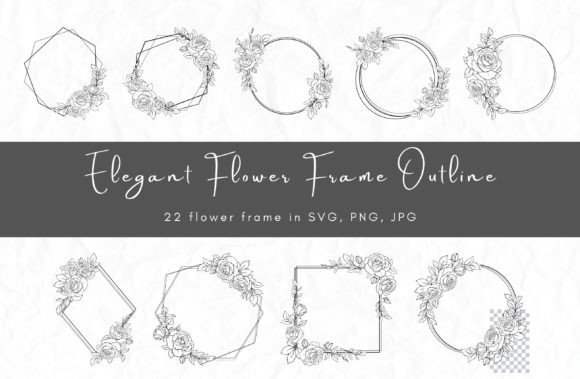
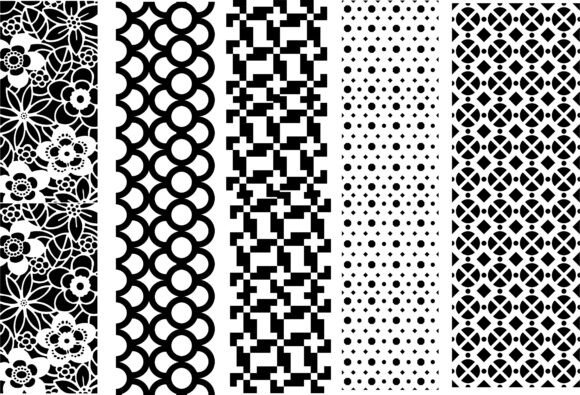
The first impression of Elegant Floral and Geometric Patterns is one of sophisticated balance. The layout avoids the chaotic clutter often found in generic clip art. Instead, it offers a harmonious blend of organic floral shapes and structured geometric lines. This duality creates a mood that feels both modern and timeless. It doesn't scream for attention; rather, it invites the viewer to lean in and appreciate the details. For an embroidery project, this visual personality suggests versatility. It works equally well on a rustic linen apron or a sleek, monochromatic tote bag. The design assets provided here feel like they were created with a professional eye for negative space, which is crucial when translating vector art into thread.
Real-World Application: The Custom Tote Bag Challenge
To truly test Elegant Floral and Geometric Patterns, I didn't just look at the preview images. I decided to run a practical scenario: creating a custom embroidered tote bag for a local artisan market. This is a high-stakes environment where customers judge quality instantly. The bag was made of a heavy cotton canvas, a fabric that can be tricky with dense designs. I needed a tote bag design that would withstand daily use without pilling or losing its shape.
When I loaded the embroidery file into my hoop, the immediate concern was the stitch density. The geometric elements required a tight fill stitch to maintain their crisp edges, while the floral sections called for softer satin stitches to mimic petals. Fortunately, the design logic held up. The transition between the sharp angles and the soft curves felt natural. When the machine finished, the result was striking. The contrast between the dark thread used for the geometric lines and the lighter threads for the flowers popped beautifully against the canvas. It wasn't just a logo; it looked like a piece of art.
I also tested the design on a baby onesie for a personalized gift. Here, the stakes are different. The fabric is thin, stretchy, and requires delicate handling. Elegant Floral and Geometric Patterns performed surprisingly well here because the intricate details weren't so fine that they disappeared into the weave, nor were they so bulky that they made the garment uncomfortable. The design added a touch of elegance that elevated a simple onesie into a memorable personalized gift. Customers at the craft fair immediately noticed the difference in quality, asking specifically about the "unique pattern" on the bags.
Where to Exercise Caution
While the design is robust, no single file is a magic bullet for every situation. As a reviewer, I must highlight where Elegant Floral and Geometric Patterns might struggle. If you are working with small hoop sizes, such as those used for cap embroidery or hat patches, you need to be careful. The geometric corners can sometimes get lost if the design is scaled down too much. In these cases, the stitch density becomes critical; if the design is too dense for a small area, the fabric will pucker, ruining the finished product.
Another area to watch is textured fabrics. While the heavy canvas worked well, trying this design on a thick, looped terry cloth towel or a fuzzy fleece sweatshirt could obscure the finer details of the floral elements. The running stitch and delicate lines might get swallowed by the texture. Additionally, if you plan to use this for commercial embroidery on dark fabrics, ensure your underlay settings are correct. Without proper stabilization and underlay, the satin stitch on the geometric shapes might not lay flat, leading to a messy appearance.
For those selling on Etsy or running a small shop, understanding the limitations is part of maintaining brand consistency. If you promise a crisp, detailed look, but the fabric choice prevents it, customer trust takes a hit. Always inspect small details before mass-producing. A quick test on scrap fabric can save hours of rework. Also, consider the washability. Designs with large areas of fill stitch on stretchy fabrics may distort after multiple washes unless stabilized correctly. If you are making holiday embroidery items like pillow covers or kitchen towels, test the durability of the thread colors against frequent washing to ensure the handmade product retains its value over time.
Practical Notes for the Design Professional
Before you commit to using Elegant Floral and Geometric Patterns in your next custom apparel line, there are several technical steps you must take. First, always review the stitch density in your software. If the file was originally intended for laser cutting, the vector paths might not be optimized for thread tension. You may need to adjust the spacing or convert certain elements from fill stitches to running stitches to prevent bulk.
Check your hoop size compatibility. Ensure the design fits within your machine's maximum stitching area without requiring awkward re-hooping, which can misalign the pattern. Test the design in black and white mockups to see how the contrast holds up before committing to expensive thread colors. This helps visualize how the geometric patterns interact with the background fabric. If you are using this for digital embroidery file sales, make sure you have confirmed the licensing terms. Are you allowed to sell the finished physical items? Can you include the file in a bundle? These legal nuances are often overlooked until it is too late.
Finally, pay attention to the fabric texture. The beauty of this design lies in its ability to adapt. On smooth poplin, it looks clean and corporate. On raw denim or burlap, it takes on a rustic charm. By selecting the right thread colors and stabilizers, you can transform a standard embroidery project into a premium small shop product. Whether you are creating embroidered patches for jackets or designing printable mockups for your online store, this collection offers a solid foundation.
In conclusion, Elegant Floral and Geometric Patterns is more than just a decorative graphic; it is a functional tool for the modern maker. It bridges the gap between digital precision and tactile warmth. For the Etsy seller or craft business owner looking to add a touch of sophistication to their inventory, this design delivers. Just remember that the success of any commercial embroidery venture depends on the execution. Test thoroughly, choose your materials wisely, and let the design do the talking. When done right, the result is a product that customers will cherish long after the holiday season ends.