Contemporary Flower Illustration SVG: A Designer's Real-World Review
I have spent years reviewing embroidery files for everything from boutique branding to custom holiday gifts, and I know that the difference between a design that looks amazing on a screen and one that actually stitches well often comes down to practical application. When I first encountered the Contemporary Flower Illustration SVG, my immediate thought was not about the file format itself, but about how those sleek lines would translate onto fabric. This is a piece of digital art that promises modern elegance, but as an experienced designer, I needed to see if it could hold up under the needle in a real production environment.
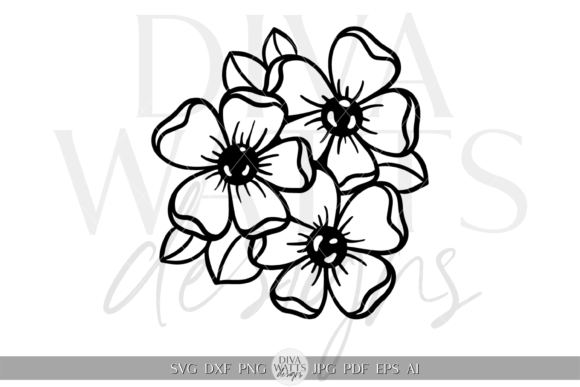
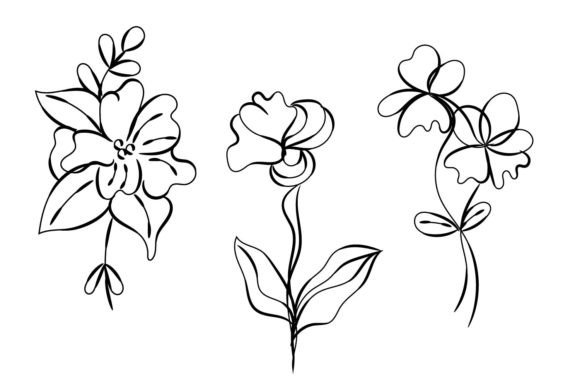
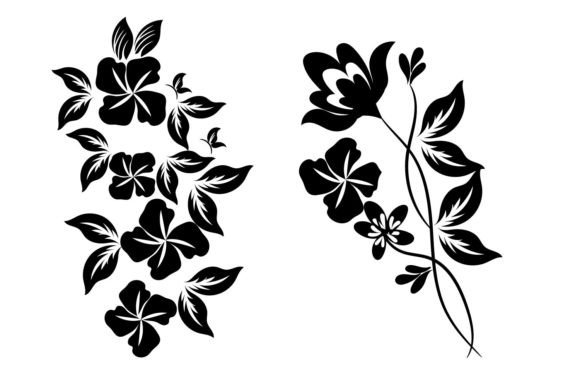
The visual personality of this Contemporary Flower Illustration SVG is distinct. It avoids the overly traditional, fussy botanical look in favor of something cleaner and more graphic. The mood it creates is fresh, minimalist, and highly adaptable. For craft business owners or Etsy sellers looking to elevate their product line, this design offers a sophisticated aesthetic that fits perfectly with current trends in home decor and apparel. However, before you commit to using it for your next client project, it is crucial to understand how these specific vector shapes behave during the digitizing process.
From Screen to Stitch: A Real-Life Scenario
Let me walk you through a scenario I recently simulated to test the viability of this file. Imagine you are preparing a custom embroidered tote bag for a local artisan market. You need a design that screams "handmade" but also feels professional enough to justify a higher price point. You decide to use the Contemporary Flower Illustration SVG because its clean lines promise to look sharp on canvas or heavy cotton.
In this situation, the design shines. The open spaces within the floral illustration allow the texture of the fabric to show through, creating a subtle depth that solid fill designs often lack. When stitched onto a natural-colored tote bag, the result is understated yet striking. Customers browsing the stall will appreciate the clarity of the image. Unlike older, denser floral patterns that can make fabric feel stiff, this design maintains the drape and feel of the material, which is essential for items like aprons or kitchen towels where functionality matters.
However, let us consider a different angle. What if you intended to use this same Contemporary Flower Illustration SVG for a small embroidered patch attached to a denim jacket? Here, the sleek lines present a challenge. If the design contains very fine details or extremely thin strokes, they might get lost when the patch is cut out or when the stitching density is too high for the small surface area. In this case, the design works best if the digitizer adjusts the stitch length to ensure the edges remain crisp without puckering the denim.
Performance Across Different Products and Fabrics
The versatility of this embroidery file depends heavily on the medium you choose. As a machine embroidery design, it excels on stable, woven fabrics. For instance, on a sweatshirt or a t-shirt, the design translates beautifully into a large chest logo or a back print. The sleek lines of the Contemporary Flower Illustration SVG work particularly well with satin stitch for outlines, giving the flowers a polished, jewelry-like finish. When paired with fill stitches for the petals, the design gains volume without becoming cluttered.
For baby clothes, this design is a strong contender. Parents often prefer softer, less aggressive graphics, and the contemporary style of this flower illustration hits that sweet spot. It is gentle enough for a onesie but detailed enough to be memorable. Similarly, for nursery decor items like pillow covers or blankets, the modern interpretation of floral imagery adds a touch of sophistication that appeals to new parents who want something other than the standard cartoonish prints.
Yet, there are areas where caution is required. Textured fabrics, such as bouclé or heavy fleece, can obscure the fine details of the illustration. The thread might not lay flat against a rough surface, causing the sleek lines to appear jagged rather than smooth. Thin or stretchy fabrics, like jersey knit, require careful stabilization. Without a proper stabilizer, the tension of the Contemporary Flower Illustration SVG could cause the fabric to pucker, ruining the clean aesthetic you worked so hard to achieve.
Navigating Technical Challenges
One of the most critical aspects of using any digital embroidery file is understanding the limitations of the physical world. If you plan to use this design on dark fabric, you must consider the thread colors carefully. The sleek lines rely on contrast to define the shape. If the thread color blends too closely with the background, the intricate details of the flower may disappear entirely. Testing the design in black and white mockups before stitching is a wise step to ensure the silhouette remains visible.
Furthermore, dense stitch areas can be problematic. While the design features sleek lines, if the digitizing software fills certain sections too densely, it can create a thick, raised area that feels uncomfortable on garments like caps or hats. Curved surfaces like caps demand a lower stitch count to prevent the design from pulling away from the curve. If the design is too rigid, it will not conform to the shape of the hat, leading to a poor finished product.
Small hoop sizes also present a constraint. If you attempt to stitch this Contemporary Flower Illustration SVG in a tiny hoop, the machine may struggle to navigate the curves, resulting in skipped stitches or broken threads. Always verify the recommended hoop size for the design before starting your project. If the design includes tiny lettering or decorative accents, inspect them closely. These elements are often the first to fail if the stitch density is too high or the thread quality is poor.
Impact on Brand Value and Customer Trust
For small business owners and creative entrepreneurs, the quality of your embroidery directly impacts your brand reputation. A poorly executed design can signal a lack of professionalism, while a well-executed one builds trust. The Contemporary Flower Illustration SVG, when used correctly, elevates the perceived value of handmade products. It suggests attention to detail and a modern sensibility that resonates with today's buyers.
When customers receive a personalized gift or a boutique product featuring this design, they notice the clarity of the lines and the balance of the composition. This visual appeal translates into higher customer satisfaction and repeat business. In the competitive landscape of Etsy listings and craft fair products, having a design that looks as good in person as it does in a printable mockup is a significant advantage. It allows you to showcase your craftsmanship effectively, whether you are selling a custom apron, a holiday gift, or a commercial embroidery piece.
However, achieving this level of quality requires due diligence. Before incorporating this design into your commercial workflow, you must review the licensing terms. Ensure that you have the right to sell finished items made with this file. Some digital products come with restrictions that limit commercial use, and ignoring these terms can lead to legal issues.
Practical Notes for the Embroidery Designer
To get the most out of the Contemporary Flower Illustration SVG, I recommend following a few strict guidelines. First, always test the design on scrap fabric that matches the weight and texture of your final product. This simple step can reveal issues with thread tension, stabilizer choice, or stitch density that you might miss otherwise.
Check your thread colors to ensure maximum contrast and visibility. Review the stitch density settings in your software; if the design feels too heavy, consider reducing the density slightly to maintain the sleek, modern look. Confirm the hoop size and ensure your fabric is properly stabilized to prevent shifting or puckering. Inspect small details under magnification to ensure they will stitch cleanly.
Finally, compare light and dark fabric backgrounds to see how the design adapts. Use a high-quality stabilizer appropriate for the fabric type, and remember that the success of your embroidery project relies on the harmony between the digital file and the physical materials. By taking these steps, you can transform a simple digital graphic into a stunning finished product that stands out in any market.