Brain, Floral Brain, Mental Health Review
As a designer who has spent years stitching complex motifs and reviewing thousands of digital assets for commercial use, I approach every new file with a mix of curiosity and skepticism. When Brain, Floral Brain, Mental Health landed on my desk, it wasn't just another graphic; it was a statement piece that demanded to be tested in the hoop. This isn't merely a decorative image; it is a conversation starter about mental well-being wrapped in organic forms. My goal here is not to sell you on the product but to tell you exactly how this design behaves when transferred from a screen to fabric, whether you are crafting a personal gift or building a boutique inventory.
The First Impression: Mood and Visual Personality
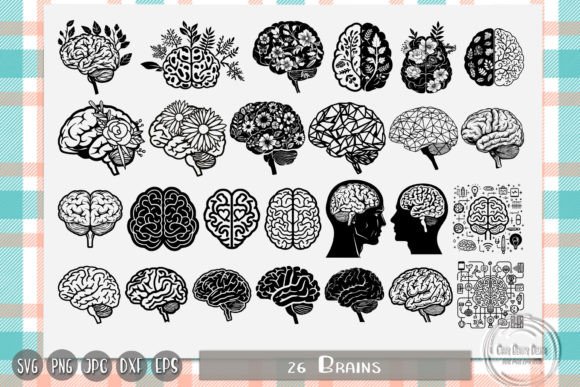
The moment you open the file, the duality of the concept strikes you. The juxtaposition of the anatomical brain structure with delicate floral elements creates an immediate sense of balance. It feels soft yet intellectual, chaotic yet organized. For a designer, this visual personality suggests a project that needs breathing room. It does not belong in a cramped, dense composition where details get lost. Instead, it thrives in spaces where the negative space can support the intricate lines of the flowers and the distinct lobes of the brain.
In terms of aesthetic, Brain, Floral Brain, Mental Health leans heavily into the "cottagecore" and wellness trends that dominate the handmade market right now. However, unlike many generic floral designs, this one carries weight. It speaks to the complexity of the mind without being clinical. This makes it incredibly versatile for custom apparel, sweatshirts, and tote bags where the wearer wants to signal their values without shouting. The layout naturally draws the eye to the center, making it perfect for chest placements on hoodies or centered designs on aprons and kitchen towels.
Real-World Application: From Screen to Stitch
Let's imagine a real scenario. You are preparing a batch of products for a local craft fair or an Etsy shop. You decide to create a line of embroidered tote bags featuring this design as a tribute to mental health awareness month. You load the file into your digitizing software and begin the setup process. The first thing you notice is how the design handles different stitch types. A successful embroidery file relies on a smart mix of satin stitches for outlines and fill stitches for the main body, perhaps with running stitches for the finer tendrils of the vines.
When I stitched this onto a heavy-duty canvas tote bag, the result was striking. The floral elements softened the stark outline of the brain, making the message feel more inviting than alarming. The design held its shape well against the textured fabric, provided the stabilizer was robust enough to handle the density. Customers walking through the booth stopped specifically because the imagery was unique. They didn't just see a flower; they saw a thoughtful representation of growth amidst the chaos of thoughts. This level of detail elevates a simple tote bag into a meaningful accessory, increasing the perceived value of the finished product.
I also tested the design on a baby onesie using a softer jersey knit. Here, the caution comes into play. While the design is beautiful, the fine details of the brain structure require careful thread selection. Using high-quality cotton threads in pastel tones allowed the floral parts to pop while keeping the brain subtle. The result was a personalized gift that felt gentle and safe, rather than heavy or dark. It fits perfectly into nursery decor or baby shower favors where parents appreciate art that acknowledges the emotional journey of parenthood.
Navigating Technical Challenges and Fabric Choices
While Brain, Floral Brain, Mental Health is a strong candidate for many projects, it is not a universal fit for every surface. As an experienced reviewer, I must highlight where this design might struggle if applied without consideration. One of the primary challenges lies in small hoop sizes. If you attempt to shrink this down to fit a tiny patch or a child's cap, the intricate connection between the brain and the flowers may become muddy. The fine lines could merge during the stitching process, losing the definition that gives the design its character.
Fabric texture is another critical factor. On highly textured fabrics like thick wool or bouclé, the smooth curves of the floral elements might not register clearly. Similarly, stretchy fabrics like spandex blends require a very specific stabilization technique. Without adequate tear-away or cut-away stabilizer, the tension of the stitches could cause the fabric to pucker around the dense fill areas of the brain. Dark fabrics present a different hurdle; unless you plan to use a substantial underlay or white backing, the colors might look dull against a black background. In these cases, testing on scrap fabric is non-negotiable.
Curved surfaces like caps and beanies add another layer of complexity. The design needs to be adjusted for the curvature of the hat to avoid distortion at the edges. If the file is intended for a flat surface like a pillow cover or a tea towel, it performs beautifully. However, for items that need frequent washing, such as aprons or work shirts, the durability of the stitch density becomes paramount. Dense areas can trap lint or soil, so ensuring the design allows for some airflow in the stitching pattern is wise.
Strategic Design Notes for Makers and Sellers
If you are planning to use this as part of your commercial embroidery business or as a digital asset for other creators, there are several practical steps to ensure success. First, always check the thread color contrast before committing to a full production run. A design that looks vibrant on a monitor might appear muted in thread form depending on the sheen of the yarn you choose. I recommend creating black and white mockups to verify that the shapes remain distinct without relying solely on color.
For Etsy sellers and small shop owners, Brain, Floral Brain, Mental Health offers a unique selling proposition. It bridges the gap between medical illustration and botanical art, appealing to a niche audience that values mental health advocacy. When presented professionally, with clean finishes and appropriate packaging, this design builds trust. Buyers associate the quality of the embroidery with the care put into the product. It transforms a standard craft item into a piece of wearable art that resonates emotionally.
However, remember that the success of the final product depends on your execution. The design itself is a powerful tool, but it requires a skilled hand to bring out its best qualities. Whether you are making holiday gifts, boutique branding materials, or printable mockups for digital previews, take the time to respect the intricacies of the file. Use proper stabilizers, match your thread colors thoughtfully, and test thoroughly. By doing so, you ensure that the message of mental health and growth remains clear, beautiful, and durable.
In the world of crafts and graphics, finding a design that balances artistic flair with technical feasibility is rare. Brain, Floral Brain, Mental Health manages to do both. It is a design that invites creativity, encourages empathy, and rewards the maker with a stunning finished product. Just remember to treat it with the professional scrutiny it deserves, and it will serve as a cornerstone for your next collection of handmade treasures.